HEXES Mini Pack Series
Forming a clear picture of the path to take towards a goal, something I am relearning, is affected by a variety of things, chief of which being that I find it difficult to push through a contrived/inauthentic path. Testing authenticity, I’m sure, has universally championed rubrics I’ll undoubtedly discover ahead now that the idea has been “committed to the bits.” How this ties to this project are the motivations that punctuated its creation. Rather than explaining things that can be gathered from careful observation, I’ve instead chosen to discuss the bits unrecorded, the unseen.
COVID-19 pandemic was (and still is) a massive destabilizer. It certainly came at a time when I thought I was finally starting to discern things in a more directed manner both in school and work. What I discovered from how thing progressed from that point on, past my own biases, blind spots and shortcomings, was the danger of not working honestly with and for the task. Intuition is something, for a time, I opted to sideline in the name of going with “the flow”. This became detrimental when “playing the game” was either moving things in a different direction or brand new dams forming where they didn’t make sense to. Of course that “sense” was probably still skewed in some senses, but the disillusionment came when shortfalls were overlooked for the sake of completing a task or checking a box. What I’ve come to hold onto is the importance of trusting intuition again and not feeling shamed or force a medicine down to drown a deep-seated voice I haven’t listened to , trusted and put first in a long time.
HEXES Mini Pack 01
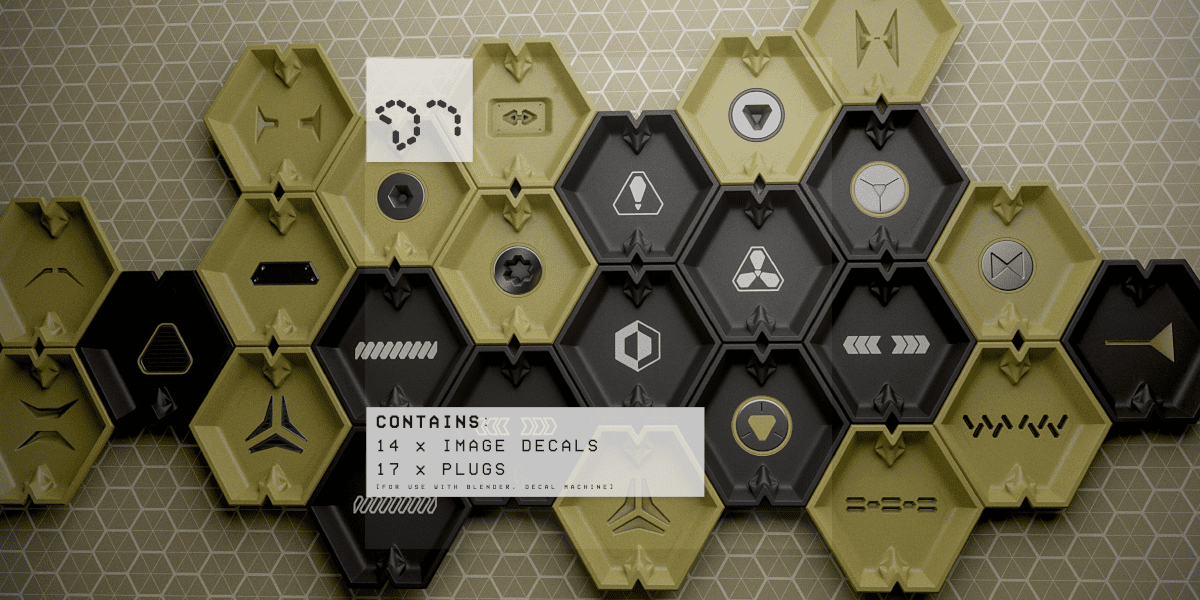
The first Mini Pack had its fair share of stop-starts which I think, personally, were a combination inner and outer conflicts and untrained/misplaced expectations. The ideas were there, but scaling them, breaking them up into chunks that were appropriate to my ability was something I didn’t have a good handle on. Needing money was also not the best motivation, but circumstances made that a difficult thing to sideline.
Although this was released as just a pack of decals, the HEXES series was initially imagined as a much bigger beast that would include models, shaders and other elements that would form the toolkit, something I to this day accept I cannot hold the entire picture of all at once, but can better decide what works and what may fit – at least not yet whilst using the “eyes” I have now.
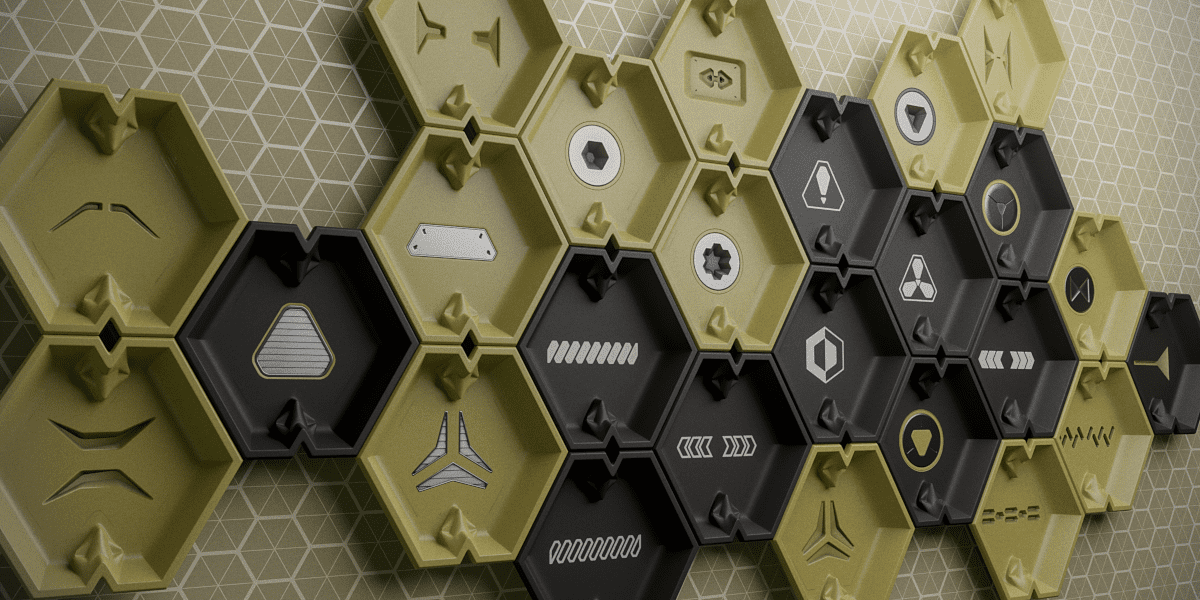
The priority for this one became producing and finishing it regardless of what I could and couldn’t do well. Pieces that didn’t materialise the way I hoped were put aside in the name of progress (an aspect of thinking I still contend with on many levels) and making it look as good as I could so it at least looked like it belonged among items made by trained professionals and hobbyists – comparison in reasonable doses and application was one of many unexpected items added to the long list of things to tackle.
The Early Design Process [Pre-Mini Packs]
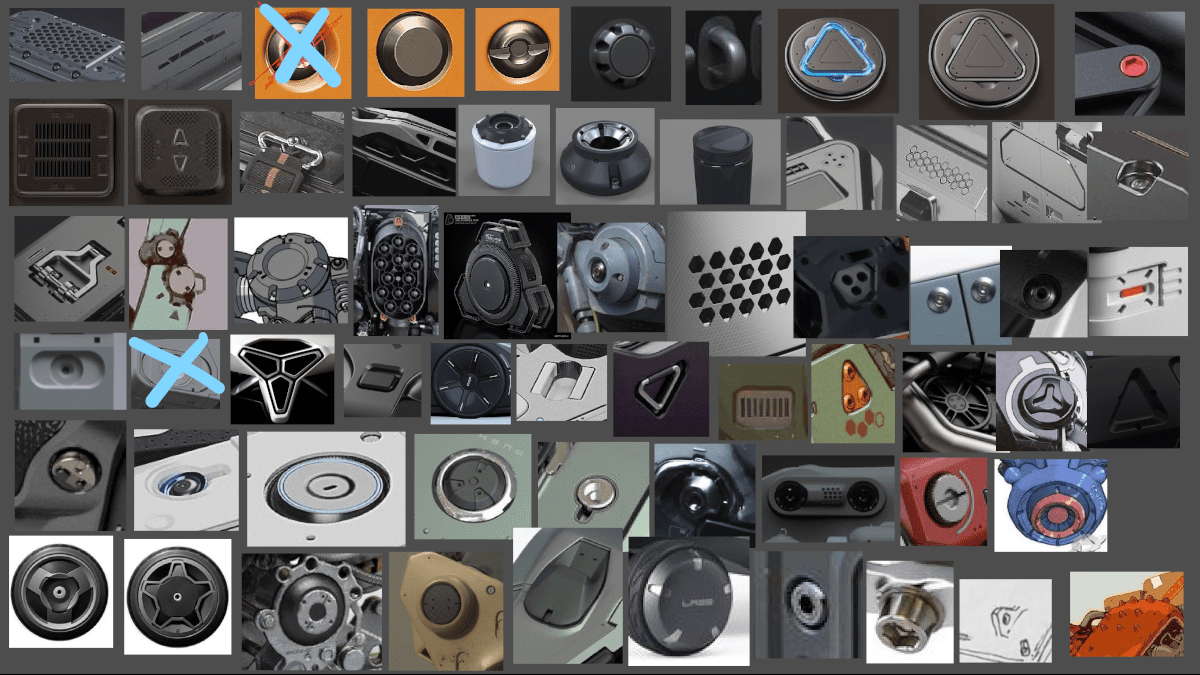
The refsheet above was a result of pulling elements from some artworks I liked. The idea was to take these designs and “hexify” them, i.e. change the design language to reflect the six-sided form - a simple idea, but the hexagon, honeycomb and bees was the kitschy and fun branding that was part of the forming of AFRIKANIZ3D. Pieces, this way, had a better chance of being inter-usable between projects - this was my very early understanding/conceptualisation of kitbash/modular set creation.
Bear in mind that my position at the time was to suspend many reservations, some would argue were very valid, but the reason for that was just see what would/could happen because second-guessing and inaction were not producing much.
The initial designs weren’t great and it was clear more iterating needed to happen.

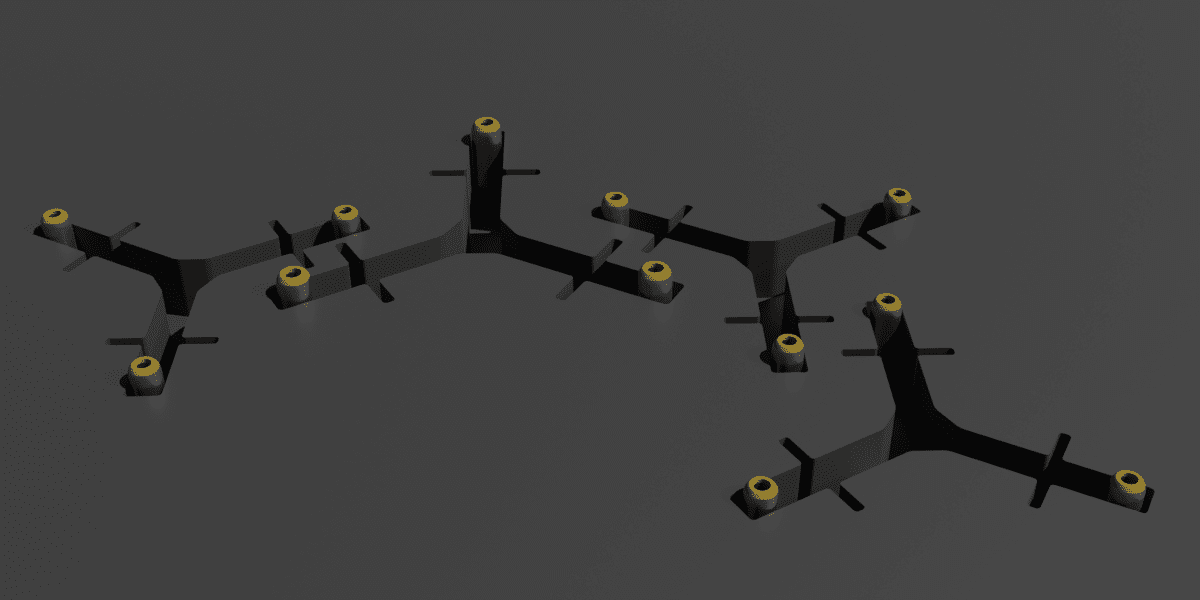
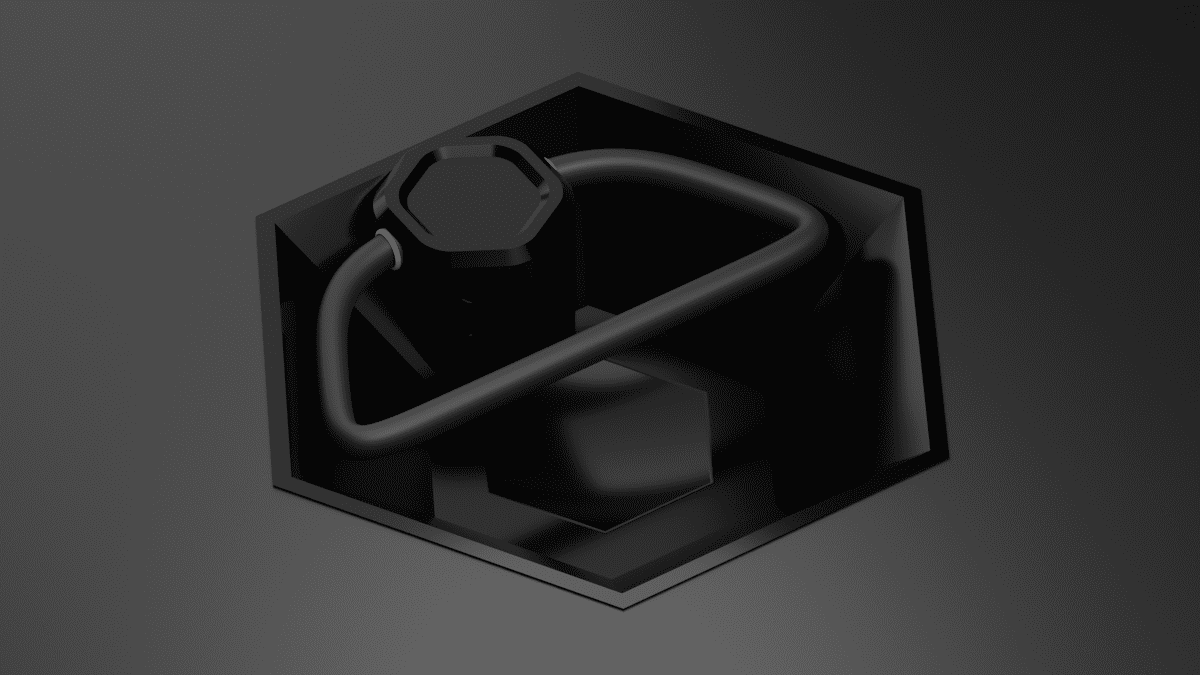
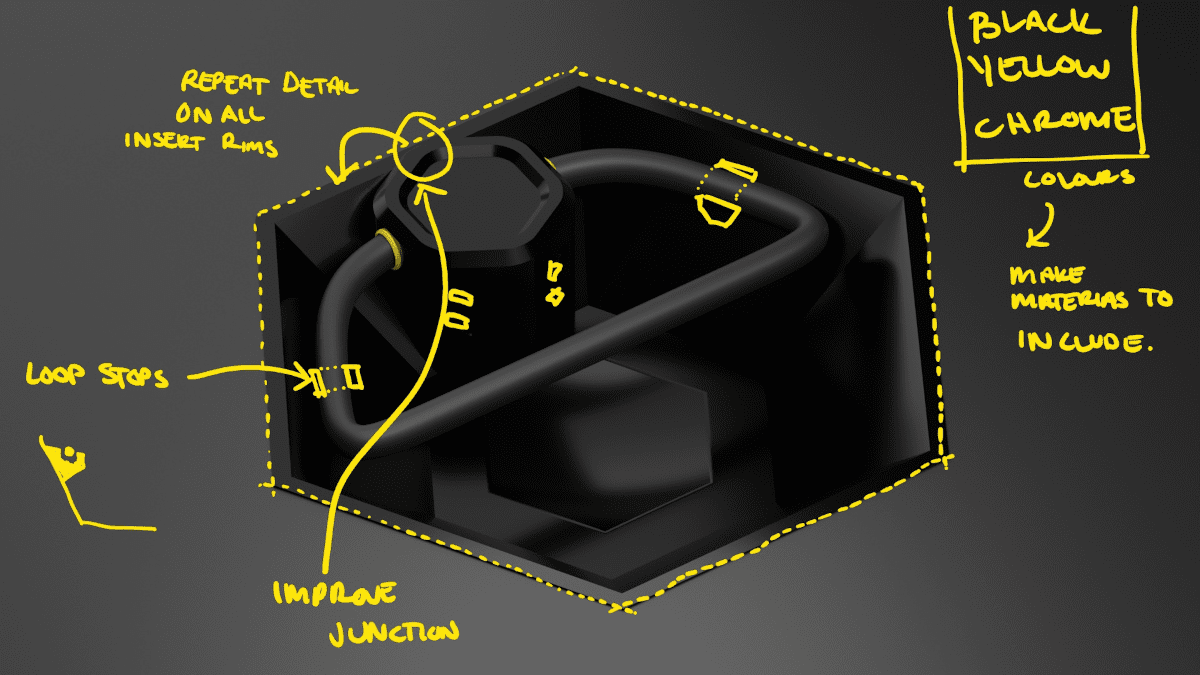
At the time I was mainly focused on making 3D mesh inserts for Kit Ops, but what is clear is that the designs were simple and uninteresting. This was mostly due to still not being familiar with the tools – not only Kit Ops, but Blender too – so I made the decision to take a pause on making an asset pack for sale and instead focus on learning and becoming more familiar. There were also some personal matters at the time that prompted a break.
After this break I picked up the HEXES mission again and it was around this time that I learned about subdivision modeling. For a long time I was an admirer of hardsurface art more than a creator, so I’d be exposed to the finished product more than a live teaching of the process. I was also not an “Educational YouTube” user, so a combination of this was why terms like “hardsurface modeling”, “sub-d”, “Boolean” didn’t come to mind when specifically seeking out learning content.
A fire was lit. A code was cracked. Thanks, MX2.
Finding a great source to learn the tools and techniques opened the possibilities up again and it improved so many other aspects of my life at the time, making it an important marker on my personal timeline when I look back.
Having a better idea of how to model my ideas I started tackling the pack again but rather than making models I chose to make a decal pack using Decal Machine. They were relatively popular at the time and there were many tutorials that were hard to mess up. I used what I had learned and the process took some time, Decal Machine was relatively easy to learn, and I consciously kept things simple to avoid bottlenecks I may not have been better equipped at the time to navigate.
When the pack was released it was a great feeling. Looking back on it now I try not to look to closely at some of the exaggerated bits and to instead keep in mind that this was just the start.
You can purchase HEXES Mini Pack 01 the pack from any of the storefronts listed below:
Blender Market
Gumroad
ArtStation
Flipped Normals
HEXES Mini Pack 02
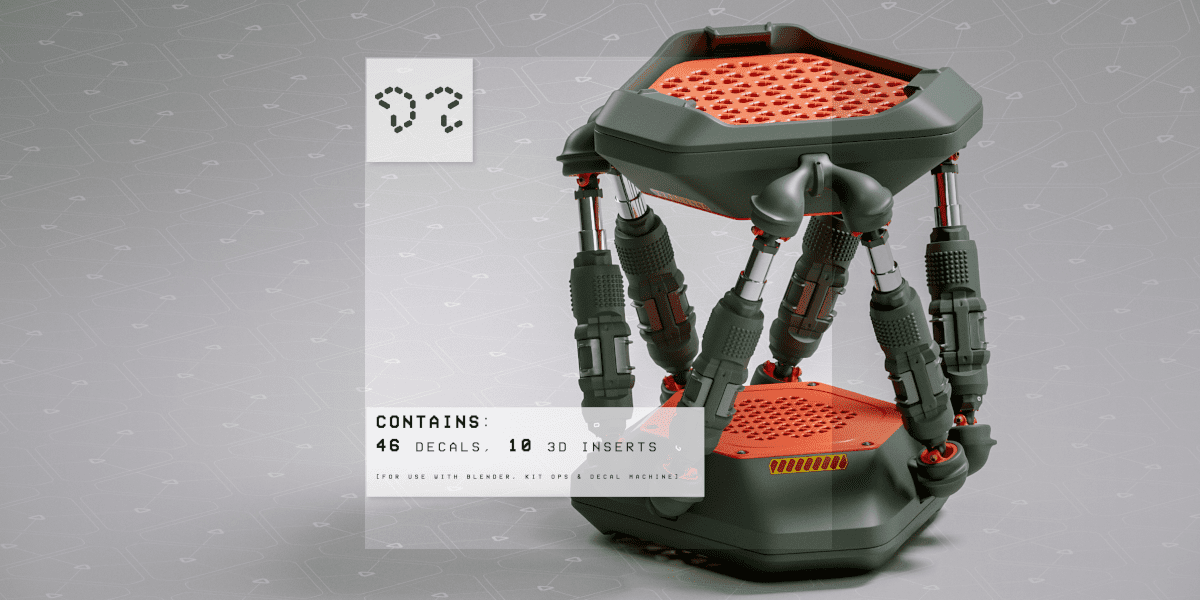
Your first thought at looking at the image above may be, “what a leap from the first pack,” but the reality is that this was a (very) recent update of the collection that was initially released in February 2022.
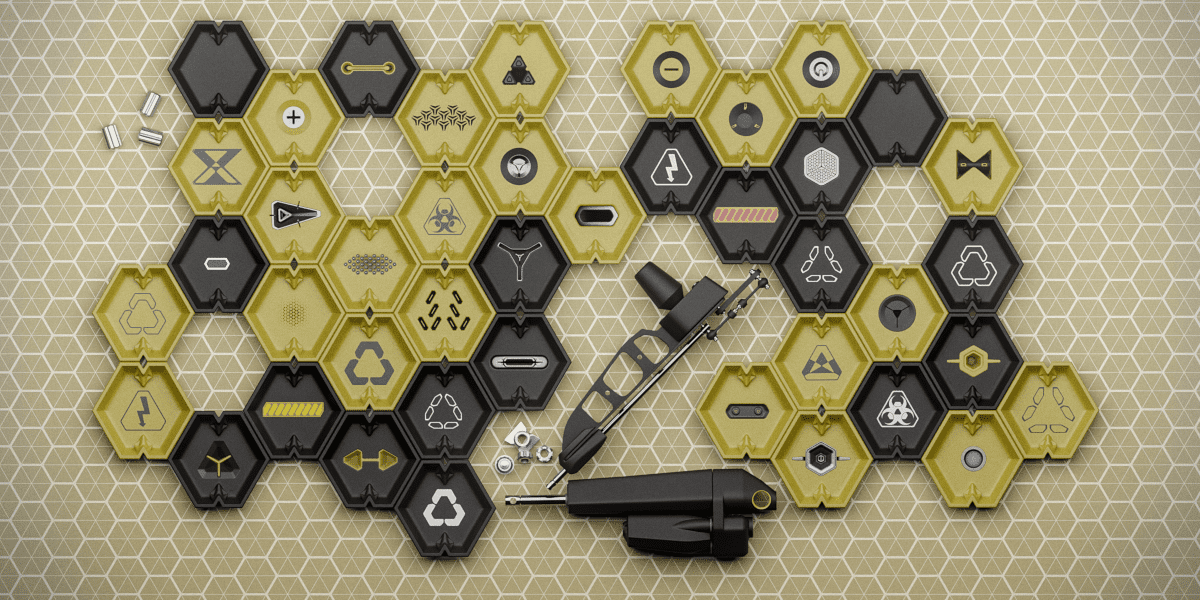
It was shortly after finishing Pack 03 and I was looking at all three packs and thought they could be better, I could bring them closer to the point I had imagined them when I had set out to make them. The volume had increased, the quality improved (personal opinion), and 3D mesh inserts had made a return.
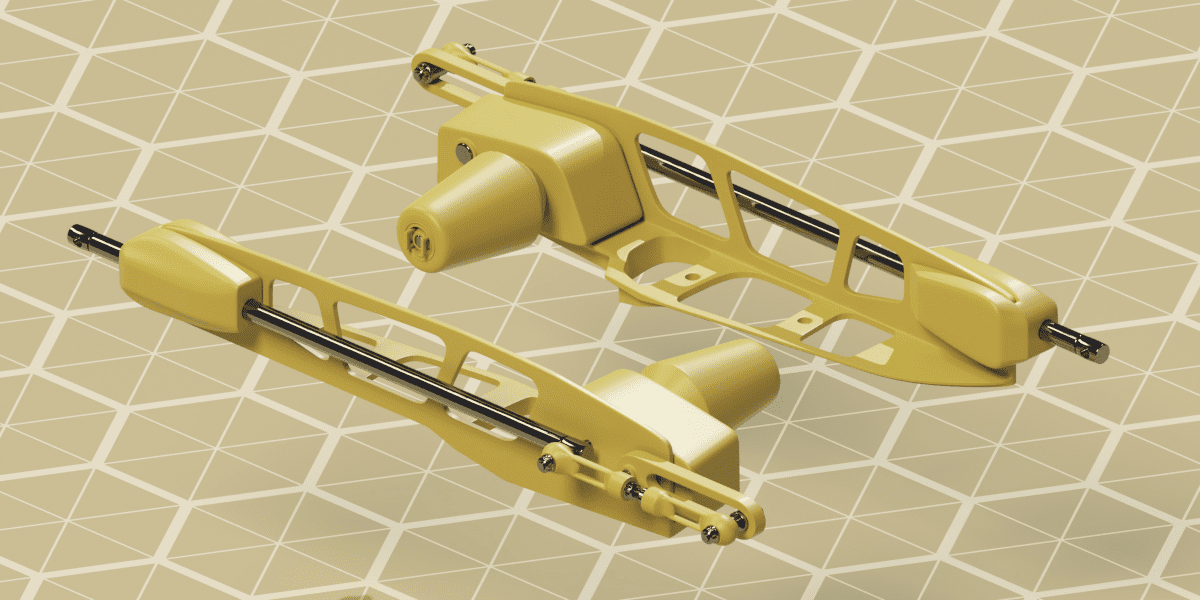
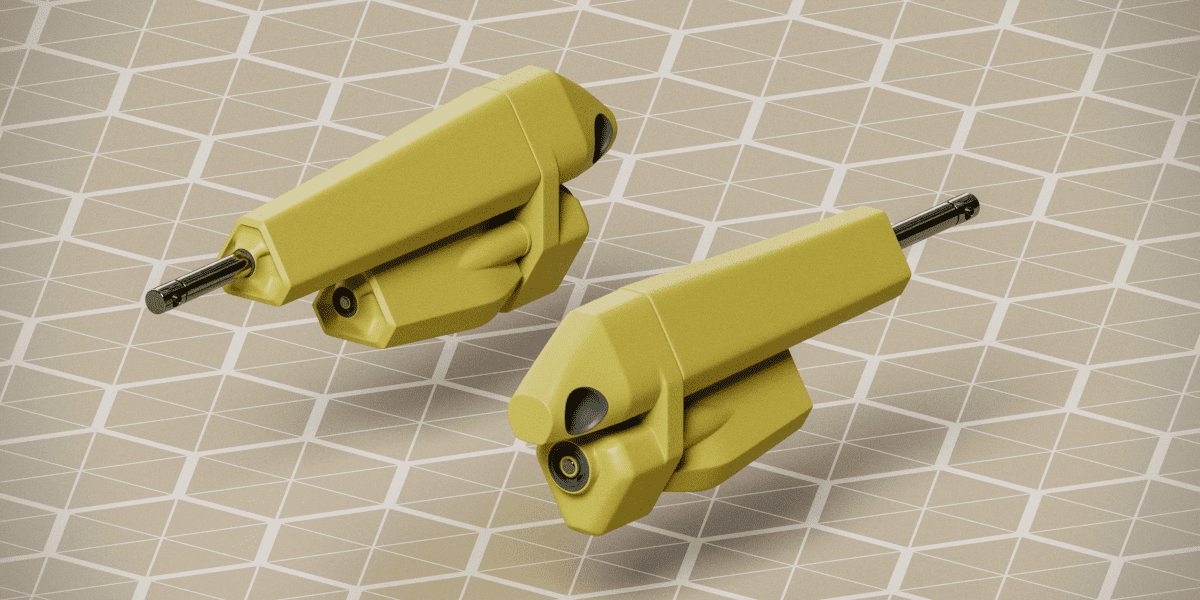
On the one hand I regret not going through these phases before releasing the first Mini Pack, but on the other I’m certain it probably wouldn’t have gotten this far if I had waited till I felt ready or good enough - the improvement was a byproduct and I’m grateful to the few clients who decided to buy a pack anyway.
The formula was similar to Pack 01:
1. Put together a refsheet of designs I’d like to Hexify.
2. Take them into ProgeCAD and do the base linework to be used in Blender.
3. Model everything, convert them to decals or mesh inserts, then package it all.
4. Upload and start prepping for the next pack.
I wasn’t completely satisfied with it though and I realised that it still wasn’t a personalised release, and by that I mean it didn’t have anything to hang on to that made it… special?
It needed a model, a canvas.
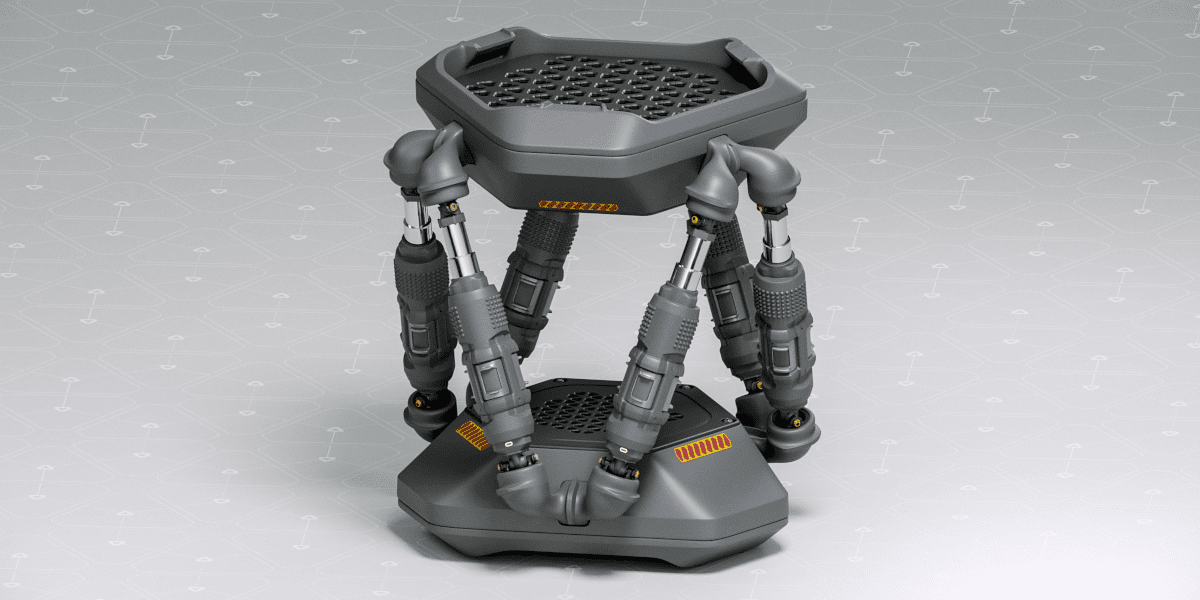
The hexapod has become one of my favourite pieces of machinery and seemed the perfect canvas to generate more pieces.
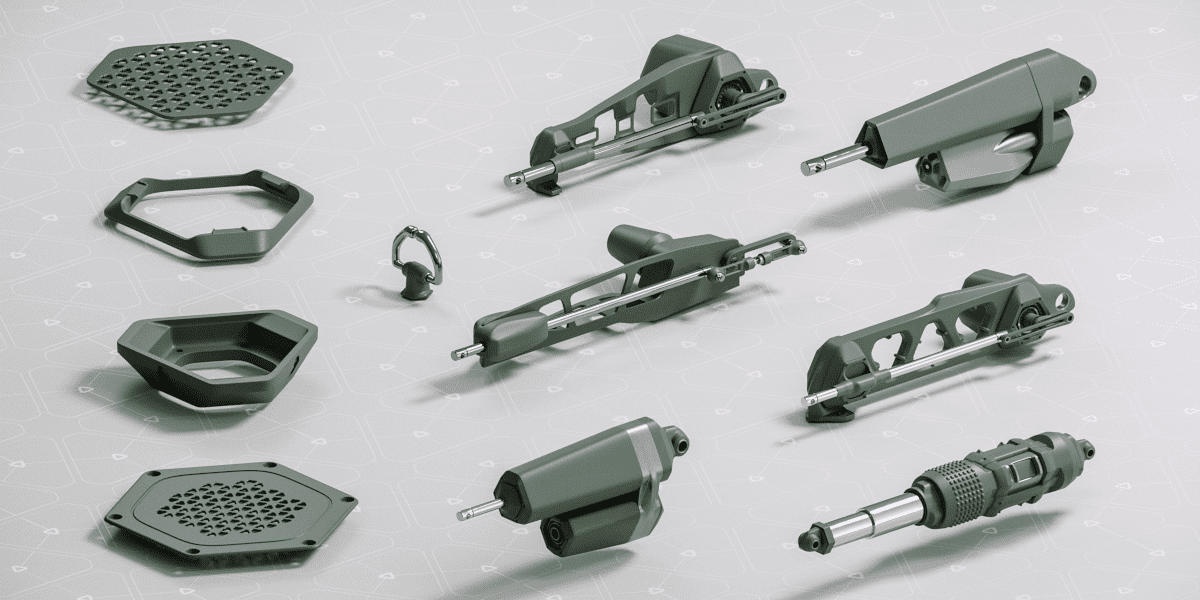
I feel I’m starting to get a feel for kibashing and this truly was the most fun I’ve had in a while working on a project. Didn’t see the need to add more decals, but the the final result for the hexapod project showed that the decal designs would have benefited more from using a model to test off of whilst in the design process - this is in reference to how few of them are actually used in the model.
You live, you learn.
You can purchase HEXES Mini Pack 02 the pack from any of the storefronts listed below:
Blender Market
Gumroad
Art Station
Flipped Normals
HEXES Mini Pack 03
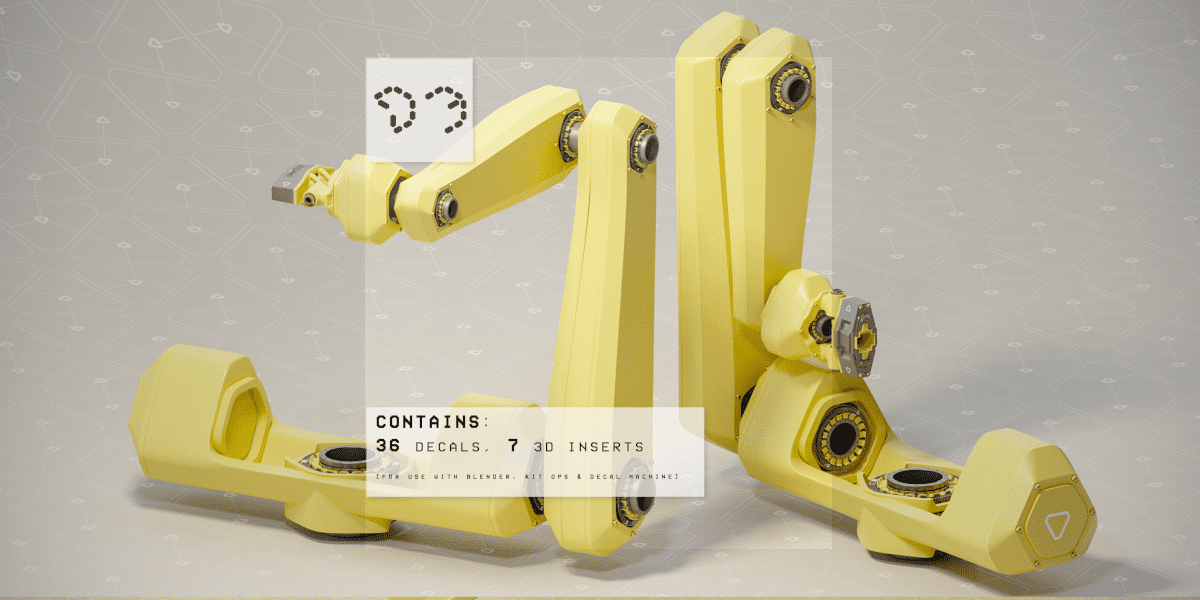
The most notable thing about this project was the fatigue that ended up being the spark to improving both it and Pack 02.
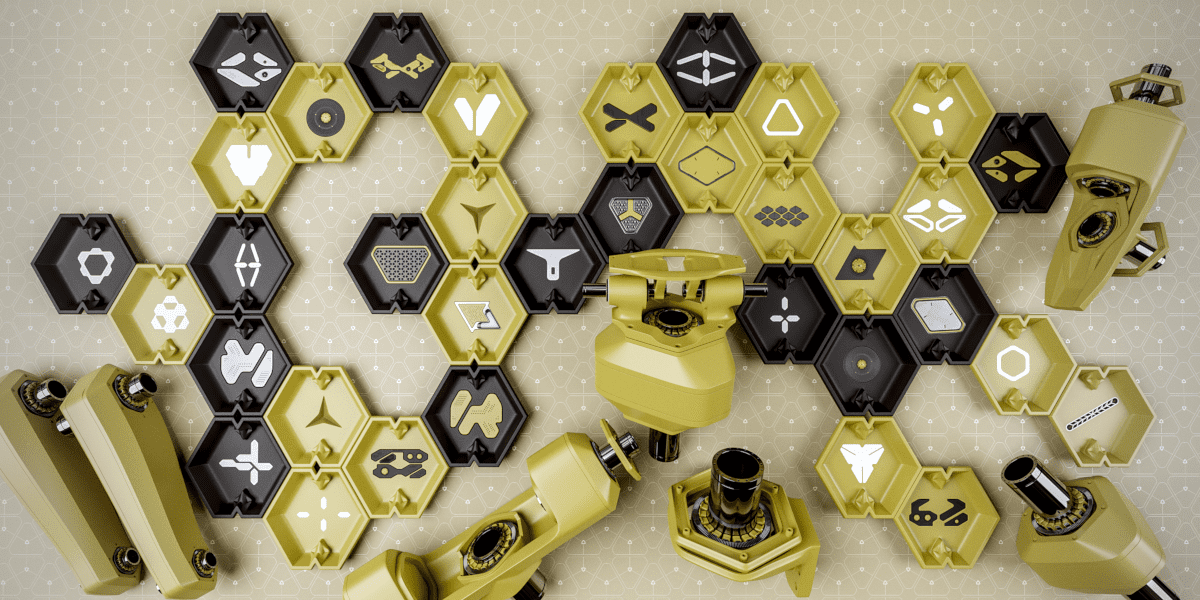
I was tying myself to a monthly model and the formulaic nature did not take rest and creative reset into account, so I was essentially in “ghost mode” for most of the early process. It was also round this time where I wanted to include a model demo project on the day the pack launched. Stubborn and wanting to meet the deadline still, I put the demo model idea aside and pushed.
When the crash came mid-month and I couldn’t even do simple things like modeling plain decals I took a break - from the pack as I was also working on completing a Google certification through it all, and I had clearly overestimated my mental stamina when putting it all together.
I’m glad I took the break.
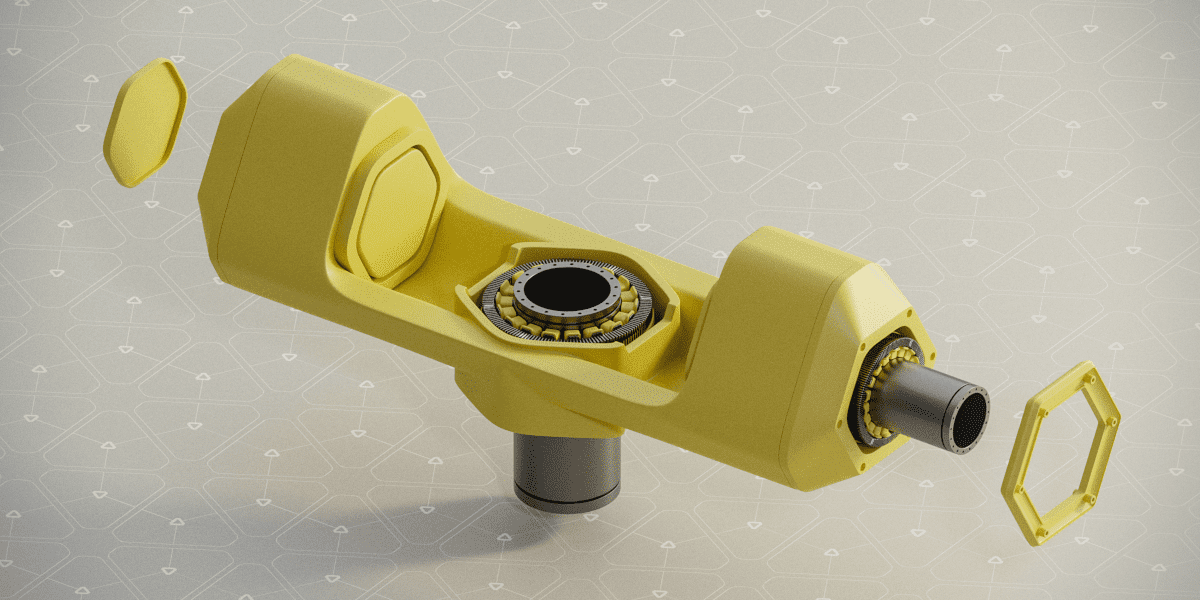
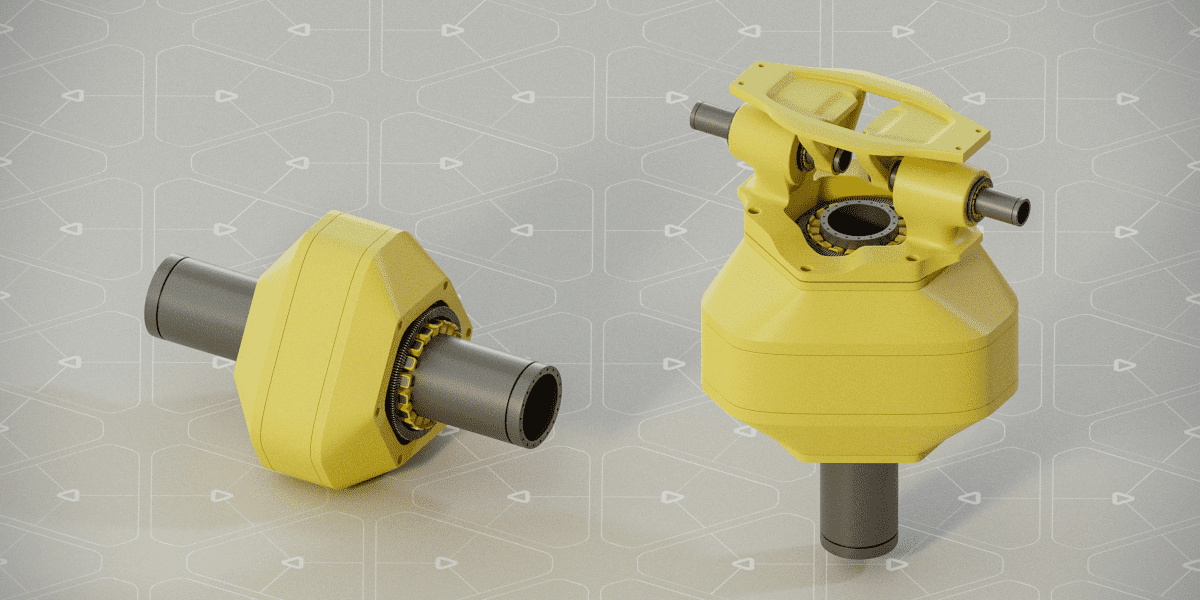
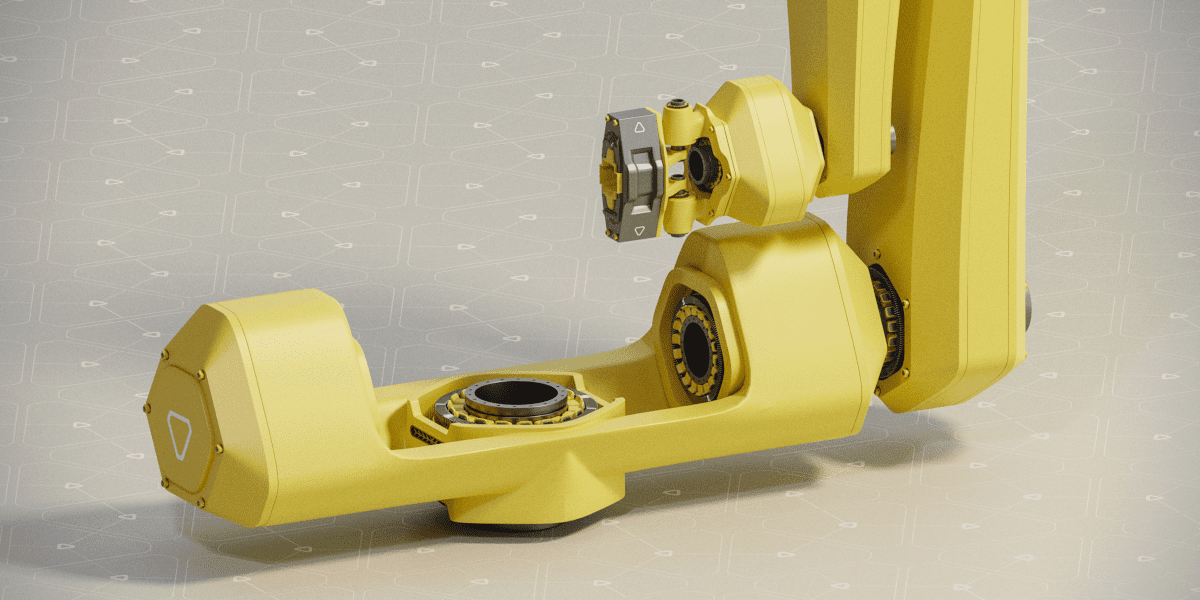
The result was my discovering the “modulor” for the pack. I discuss this further in a video I’m yet to finish at the time of drafting this post, but the TLHW (Too long; haven’t watched) is that rest allowed the subconscious to put a whole lot of things together. Granted, it’s a very simple modulation, but it has made designing so much easier with regards to starting things off. The finessing is the fun extra.
You can purchase HEXES Mini Pack 03 the pack from any of the storefronts listed below:
Blender Market
Gumroad
Art Station
Flipped Normals
Where to from Here
The obvious answer is start work on Mini Pack 04, taking all I’ve learned and working smarter to make a banger. The plan, however is to let things gestate a bit longer and really plan, iterate, and almost work backwards from the final result - once I have a better idea of what the final impression should be.
I also intend to introduce new elements past decals and mesh inserts, so more time is needed to get an even better handle on the tools and techniques. Pack should be released before the year’s out.
comments powered by Disqus